

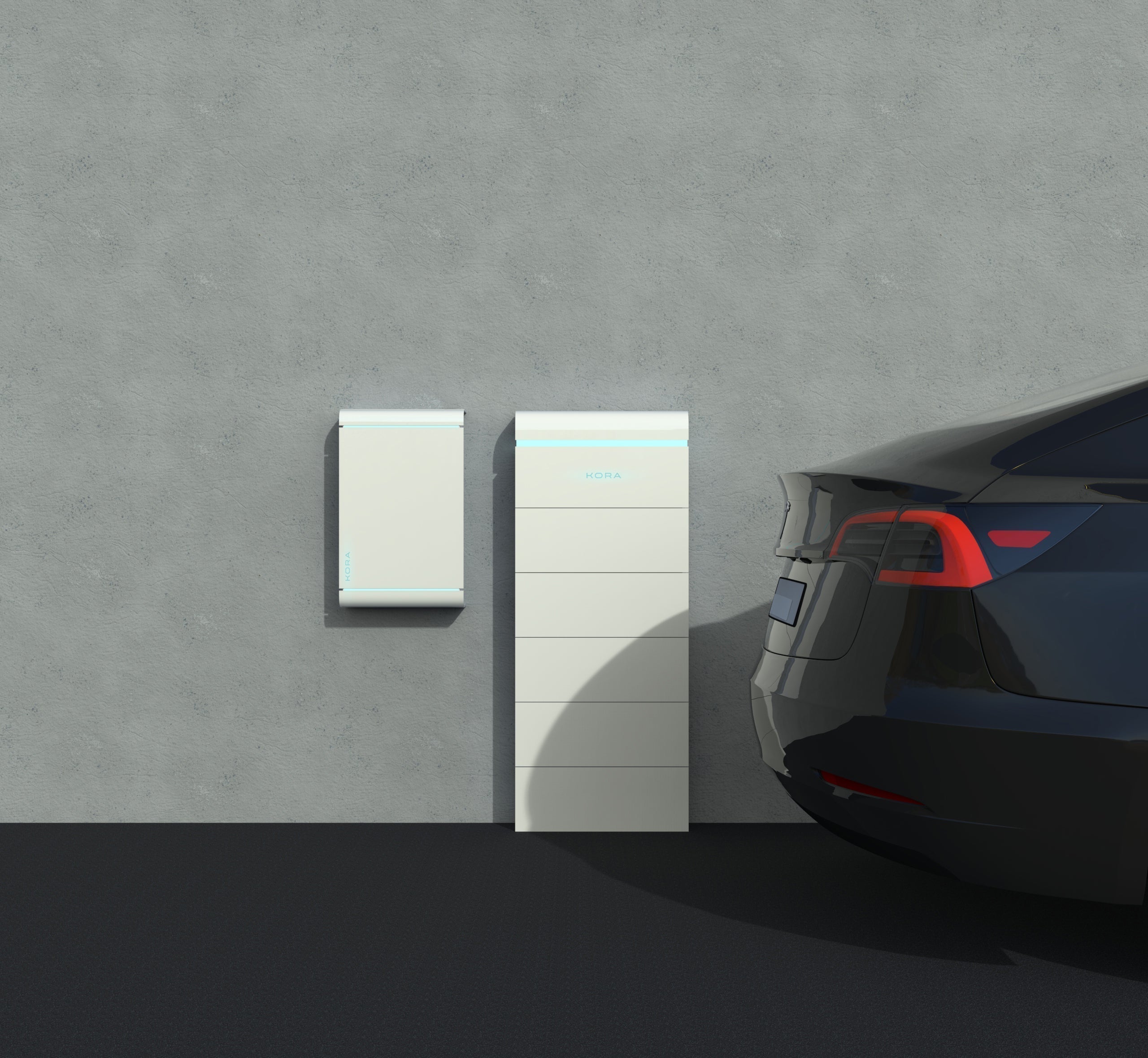
How Homeowners Can Optimize Solar, Batteries, and Smart Energy Management
A Quick History of NEM 3.0
Net Energy Metering (NEM) has played a crucial role in California’s solar energy regulatory strategy and adoption by allowing homeowners to sell excess solar power back to the grid at retail or near-retail rates. This policy was initially introduced to encourage residential solar installations and reduce dependence on fossil fuels. Over the years, NEM evolved through multiple iterations—NEM 1.0, NEM 2.0, and now, NEM 3.0—to address emerging challenges in grid stability and cost distribution.
NEM 1.0 and NEM 2.0: Setting the Stage
NEM 1.0: 1996 - 2016. Under NEM 1.0, solar owners received full retail credit for their excess energy, which made solar adoption highly attractive. However, as more homeowners installed solar panels, concerns arose that these users were not contributing their fair share toward grid maintenance costs.
NEM 2.0: June 2016 and applied to new solar customers until April 14, 2023. NEM 2.0 attempted to balance incentives by introducing non-bypassable charges and requiring new solar customers to switch to time-of-use (TOU) rates. Despite these changes, utilities and policymakers continued to argue that solar users disproportionately benefited at the expense of non-solar customers.
Why the California Public Utilities Commission Passed NEM 3.0
By 2022, the California Public Utilities Commission (CPUC) faced mounting pressure from utilities and ratepayer advocacy groups to reform NEM once again. Their primary concerns were:
-
Equitable Cost Distribution: Utilities claimed that non-solar customers were subsidizing the costs of grid infrastructure, leading to increased electricity rates for those without solar panels.
-
Grid Stability: With an oversupply of daytime solar generation and increased demand in the evening, there was a need to reshape how solar energy was valued.
-
Encouraging Battery Storage: California’s energy crisis underscored the importance of energy storage in balancing supply and demand, especially during peak hours.
As a result, CPUC passed NEM 3.0 in December 2022, with new rules going into effect on April 15, 2023. This new policy significantly reduces the compensation homeowners receive for exported solar energy while encouraging self-consumption and battery storage solutions.
One of the major drivers behind NEM 3.0 shifting focus to battery storage was curtailment of solar energy in California. According to the California Independent Systems Operator (CAISO) the grid in California was forced to "curtail" almost 700,000 Megawatt Hours (Mwh) of solar energy in 2023. At peak rates of $0.72 per kwh for a utility like PG&E, 700,000 Megawatt Hours of curtailed (aka wasted energy) is over $500 million dollars worth of energy.

How NEM 3.0 Impacts Homeowners
NEM 3.0 brings fundamental changes that impact how homeowners can maximize their solar investments. The key changes include:
-
Lower Export Value: This is easily the worst part of NEM 3.0 for homeowners, and had the biggest impact on the solar industry. Under NEM 3.0, the rate at which homeowners are compensated for excess energy sent back to the grid has been slashed by approximately 75%. This means that instead of receiving near-retail rates for exported energy, homeowners receive rates based on the “Avoided Cost Calculator,” which varies by time and season but is significantly lower.
Example: For a utility like PG&E this drops a customers average solar export rate from around $0.30 per kwh to around $0.08 per kwh -- an extremely meaningful reduction. -
Extended Payback Periods: Since the return on investment for standalone solar has decreased, the time required for homeowners to recoup their solar investment has increased from about 5-7 years under NEM 2.0 to 9-12 years under NEM 3.0.
By 2023, 17,000 solar workers in California had lost their job (almost 22% of the solar workforce), and dozens of companies either went bankrupt like SunPower or left the state. -
Importance of Battery Storage: NEM 3.0 was designed by regulators to incentivize battery adoption. Since sending excess energy back to the grid is now less profitable, battery storage solutions have become essential. Homeowners who store excess energy can use it during peak demand hours when utility rates are highest, improving their financial savings and reducing the amount of curtailed (aka wasted) energy.
-
Greater Sensitivity to Time-of-Use (TOU) Rates: With TOU rates playing a bigger role, homeowners must strategically time their energy usage to avoid peak pricing and maximize cost savings.
How Homeowners Can Optimize Their Energy Usage under NEM 3.0
With the new NEM 3.0 rules in place, homeowners must adopt a more strategic approach to energy usage. Here are the key ways to optimize their home energy management:
1. Install Battery Storage
Since exporting excess energy to the grid is no longer financially attractive, storing that energy for later use is the best way to maximize solar savings. Not buying energy is the financial equivalent as selling it.
Battery storage allows homeowners to:
-
Store excess solar energy during the day and use it at night when electricity rates are higher.
-
Reduce dependence on the grid and lower electricity bills.
-
Provide backup power in case of outages which are becoming meaningfully more common.
2. Invest in Smart Home Energy Management
A smart home panel, like Kora’s Smart Panel, can automate energy distribution and optimize energy savings by:
-
Prioritizing solar energy usage: Automatically directing solar power to high-priority loads and battery storage before exporting to the grid.
-
Managing energy loads efficiently: Adjusting energy consumption to avoid peak TOU pricing and reduce unnecessary power draw.
-
Preventing grid over-reliance: Automatically shifting to battery power when grid rates are high, ensuring maximum cost savings.
3. Use a Hybrid Inverter for Better Energy Control
A hybrid inverter like Kora's seamlessly integrates solar panels, battery storage, and grid energy to ensure energy is used in the most cost-effective way. Hybrid inverters provide:
-
DC-coupled battery integration for more efficient charging.
-
Greater flexibility in choosing when to store energy versus using grid power.
-
Enhanced energy monitoring and automation for optimized performance.
4. Deploy a Modular Battery Storage Solution
Emerging battery technologies like LFP (Lithium Iron Phosphant) or more recently Sodium-Ion (Na-Ion) batteries offer cost-effective, high-cycle life energy storage that can be expanded as energy needs grow. Modular battery systems allow homeowners to scale up their storage capacity based on:
-
Seasonal energy demands.
-
Increasing energy costs.
-
Future electric vehicle (EV) charging needs.
5. Participate in a Virtual Power Plant (VPP)
With the deregulation of the generation side of the grid and the rise of demand-response programs, homeowners can monetize their stored energy through Virtual Power Plants (VPPs). By joining Kora’s VPP platform, homeowners can:
-
Sell excess stored energy at premium rates during peak demand periods.
-
Contribute to grid stability while earning passive income.
-
Benefit from incentives and rebates available for grid participation.
The Future of Home Energy Under NEM 3.0
While NEM 3.0 changes how solar energy is valued, it presents an opportunity for homeowners to take greater control of their energy usage. The shift toward battery storage, smart energy management, and Virtual Power Plant participation will help homeowners future-proof their solar investments and optimize savings.
Key Takeaways
-
NEM 3.0 reduces the financial benefits of exporting solar energy, making self-consumption and battery storage critical.
-
Battery storage solutions enable homeowners to store excess solar power for use during peak hours, avoiding high electricity rates.
-
Smart home energy management systems like Kora’s Smart Panel optimize energy usage to ensure maximum cost efficiency.
-
Hybrid inverters and Na-Ion modular batteries like Kora's provide long-term energy storage solutions that are both scalable and cost-effective.
-
Virtual Power Plants (VPPs) provide homeowners with new revenue opportunities by allowing them to sell stored energy during peak grid demand.
By leveraging smart energy systems like Kora’s, homeowners can navigate the NEM 3.0 landscape while maximizing their energy independence, sustainability, and financial savings. The future of home energy in California is not just solar—it’s smart, connected, and battery-powered.

Share: